

GE Mobile MRI Solutions for Reliable Interim Capacity

When your team needs added MRI capacity without compromising workflow, Absolute Medical Imaging helps you evaluate and deploy a GE mobile MRI configuration aligned with your clinical, technical, and operational requirements.

Add MRI Capacity Without Treating the Project Like a Commodity Rental

A mobile MRI deployment affects scheduling, staffing, patient access, facilities, IT, safety, and revenue continuity. Absolute approaches the project as an operational plan, not simply an equipment transaction. The goal is to help your team match the available GE system and mobile environment to the work it must perform.

A Clinical Environment Built Around the GE System

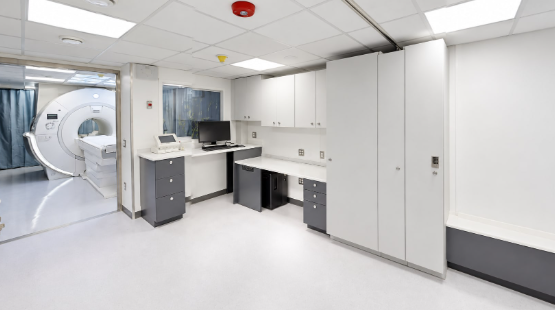
The available GE mobile MRI environment includes a dedicated scanner room, control space, patient-access features, integrated power and climate systems, and infrastructure prepared for hospital connectivity. Exact magnet model, field strength, software level, coils, table configuration, and accessories vary by unit and must be confirmed during quoting.

mobile mri

Best Suited For

  • Planned renovation or replacement projects
  • Unexpected downtime requiring continuity
  • Additional capacity during sustained demand
  • Temporary imaging space during expansion
  • Health systems standardizing around GE workflows

Three Reasons Healthcare Teams Choose an Absolute GE Mobile MRI

1. Configuration clarity before deployment

Absolute helps your clinical, facilities, IT, and procurement teams identify the exam mix, required coils and software, network and PACS needs, patient-access requirements, and site dependencies before a unit is assigned.

2. A workspace designed for technologists and patients

The photographed GE unit shows a dedicated control room, clear sightlines into the scanner room, integrated cabinetry and work surfaces, and a finished clinical interior. The assigned unit’s room layout and accessibility features should be verified before approval.

3. Operational planning beyond delivery

Absolute supports the planning required for site access, placement, utilities, networking, climate control, safety review, and readiness coordination. This reduces the risk of discovering critical dependencies after the unit arrives.

How the GE Mobile MRI Process Works

1absoutemedical 1

Define the clinical use case

Document expected volume, exam mix, patient needs, preferred GE workflow, deployment timing, and the operational impact if capacity is delayed.

2absoutemedical 1

Match the available configuration

Confirm the assigned magnet model, field strength, bore and table specifications, coils, software, reconstruction capabilities, accessories, and service coverage. Never assume that one GE mobile unit is identical to another.

3absoutemedical 1

Validate the site and integration plan

Review delivery access, pad, power, cooling, networking, PACS, modality worklist, patient route, lift or stairs, permits, safety responsibilities, and readiness testing.

GE Configuration Checklist

  • Magnet model and field strength
  • Intended exam mix and protocol requirements
  • Coils, software, and reconstruction tools
  • Bore size, table limits, and patient considerations
  • Control-room layout and technologist visibility
  • Network, PACS, worklist, and cybersecurity requirements
  • Power, cooling, and environmental limits
  • Lift, stairs, dressing space, and accessibility
  • Service plan, escalation path, and uptime expectations
trailerAMI

See the GE Mobile MRI Interior

The images in this draft come from the current Absolute GE product-photo set and show the actual scanner-room and control-room environment available for marketing use. They should be paired with a verified configuration sheet before publication.

Frequently Asked Questions

Which GE MRI model is available?

The available model and configuration can change by assignment. Absolute will identify the specific unit, field strength, software, coils, and accessories during the availability and fit review.

Protocol support depends on the assigned system, software, coils, exam mix, and clinical requirements. Your MRI leadership and the Absolute team should review the proposed configuration before approval.

The deployment plan can include networking and PACS integration, but the hospital and deployment teams must validate cybersecurity, worklist, routing, testing, and go-live responsibilities.

Start with site access, pad and placement, power, cooling, network path, patient route, accessibility, permitting, and the intended deployment date. These factors often control the schedule as much as equipment availability.

Plan the GE Mobile MRI Deployment Around the Work You Need to Protect

Tell Absolute what is driving the need, which GE workflows matter, and when capacity must be available. The team can then evaluate the best-fit unit and the requirements for a safe, realistic deployment.